 English
 中文
中文 Русский
 Deutsch
 Français
 日本語
日本語 Indonesia
 Tiếng Việt
 ไทย
ไทย العربية
東南アジアの熱帯気候における発電機・水ポンプ運用ガイド:高温多湿・防錆冷却基準(2026年)
WeChat Momentsにシェア
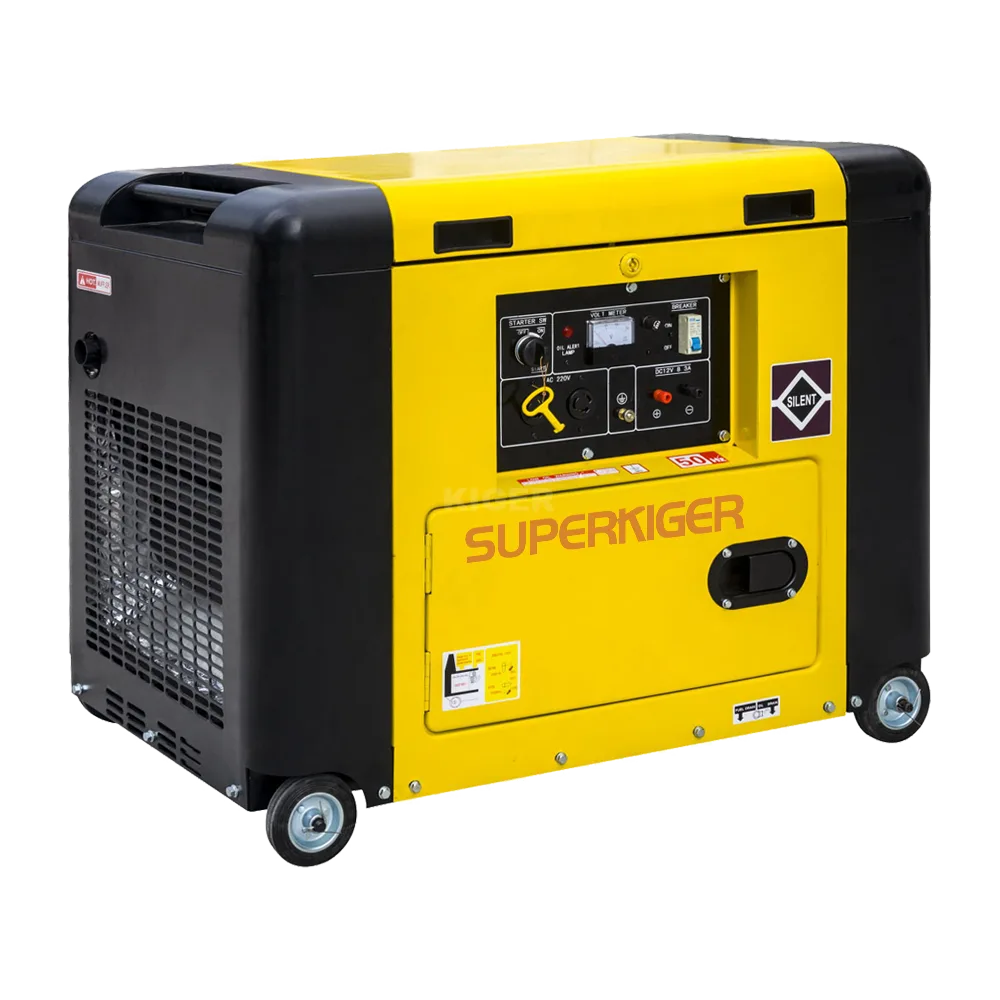
By Kylin Lin, Senior Power Systems Engineer at Ningde Kinger Electrical Machinery Co., Ltd. (KIGERPOWER)
Published: September 2026 | Sourcing Category: Southeast Asia Power Systems & Tropical Operations
Executive Summary: Engineering for the Tropical Climate Belt
Southeast Asia is one of the world’s fastest-growing economic regions. Massive infrastructure initiatives, expanding manufacturing clusters across Vietnam, rapid data center investments in Indonesia, and continuous agricultural expansion in Thailand and the Philippines drive immense demand for commercial backup generators and high-flow dewatering pumps.
However, equipment imported without tropicalized engineering specifications experiences alarming failure rates. Operating power machinery within 15 degrees of the equator means confronting relentless environmental stressors:
- Sustained Thermal Stress: Ambient temperatures routinely exceed 38°C to 42°C in concrete urban centers and industrial parks.
- Saturated Air & Salt Fog: Year-round relative humidity exceeding 85%–95%, combined with corrosive airborne maritime chlorides along extensive coastlines (e.g., Hai Phong, Jakarta, Manila).
- Monsoon Deluges: Torrential rains causing severe flash flooding, demanding instant, high-volume emergency dewatering.
This 2026 technical guide provides mechanical contractors, plant engineers, and equipment distributors with practical engineering specifications for deploying long-lasting power generation and pumping machinery in tropical Southeast Asia.
1. Thermal Derating & 50°C Tropical Radiator Engineering
Standard industrial generators manufactured for temperate climates utilize radiators sized for 25°C to 40°C ambient temperatures. In tropical Southeast Asia, this leaves zero safety margin:
The Tropical Cooling Formula:
In humid air, convective heat transfer rates decline because water vapor reduces the mass density and specific heat capacity of air:
$$ ext{Effective Cooling Capacity} = ext{Nominal Radiator Capacity} imes \left(1 - 0.008 imes \left[RH% - 30 ight] ight)$$
When relative humidity ($RH$) reaches 90%, convective cooling efficiency drops by approximately 15% to 20%.
Mandatory Tropical Specifications:
- 50°C Heavy-Duty Ambient Radiator: Specify multi-row, high-fin-density copper-brass or reinforced aluminum radiators engineered specifically for 50°C ambient conditions, preventing coolant boiling and thermal shutdowns.
- High-Velocity Pusher Cooling Fans: High-CFM composite or nylon fan blades designed to push dense, humid air through soundproof canopy louvers without aerodynamic stalling.
- High-Flow Thermostats & Tropical Coolant: Use pre-mixed 50/50 ethylene glycol coolants with anti-cavitation and anti-corrosion additives to protect cylinder liners from boiling pitting.
2. Electrical Insulation: Defeating Moisture, Mold, and Salt Spray
Moisture is the primary enemy of electrical alternators. In unconditioned humid environments, alternators absorb atmospheric moisture when cooled down, causing rapid insulation resistance degradation:
+-----------------------------------------------------------------------------------+
| Alternator Tropical Protection Architecture                                       |
+-----------------------------------------------------------------------------------+
| Feature                      | Standard Temperate Spec  | KIGERPOWER Tropical Spec|
+------------------------------+--------------------------+-------------------------+
| Insulation Class             | Class F (155°C Limit)    | Class H (180°C Limit)   |
| Winding Varnish Method       | Dip & Bake Coating       | Vacuum Pressure (VPI)   |
| Anti-Moisture Protection     | Single Varnish Coat      | Triple Epoxy + Anti-Mold|
| Space Heaters (Anti-Condens) | Optional / None          | Thermostatic Strip Heater|
| Alternator Ingress Protection| IP21 / IP22              | IP23 with Louvered Screen|
+-----------------------------------------------------------------------------------+
All KIGERPOWER commercial generators exported to Southeast Asia feature Class H insulation with tropicalized anti-fungal epoxy impregnation and optional internal anti-condensation space heaters that energize automatically whenever the generator stops, keeping winding coils warm and moisture-free.
3. Monsoon Season Flood Dewatering: Water Pump Optimization
During monsoon seasons (June to November), heavy rainfall inundates construction excavations, commercial basements, and agricultural rice paddies across the Mekong Delta, Java, and Luzon:
| Application Requirement | Clear Water Pump (WP20/WP30) | Semi-Trash / Trash Pump (WP30D) |
|---|---|---|
| Primary Fluid Type | Clean agricultural canal water | Muddy runoff, flood slurry, leaves, gravel |
| Maximum Solid Size | < 3 mm suspended silt | 20 mm to 25 mm solid debris |
| Impeller Material | High-tensile aluminum alloy | Abrasion-resistant nodular cast iron |
| Mechanical Shaft Seal | Carbon / Ceramic faces | Silicon Carbide / Silicon Carbide |
| Pump Casing Access | Bolted casing (requires tools) | Quick-release T-bolts for toolless washout |
| Best Southeast Asian Use | Rice field irrigation, clean pool transfer | Storm flood dewatering, construction trenches |
4. Preventive Maintenance Protocol for High-Humidity Regions
To maximize equipment lifespan under tropical operating regimes:
- Daily Water Separation: Drain the primary fuel-water separator bowl every morning before engine ignition to remove overnight condensation.
- Biocide Fuel Treatment: Use marine-grade biocide fuel stabilizers in storage tanks to kill anaerobic “diesel bug” fungi that thrive in warm water-fuel interfaces.
- Air Filter Replacement: Humid dust clogs air filter paper significantly faster than dry dust. Inspect paper elements weekly during the monsoon season.
- Battery Terminal Greasing: Apply petroleum jelly or dielectric grease to lead-acid battery terminals to prevent rapid white copper-sulfate corrosion.
Dewatering Calculation: For complete pump head lift formulas, suction depth limits, and impeller maintenance schedules, refer to our Gasoline Water Pumps Sourcing Guide.
Frequently Asked Questions (FAQ)
Q1: Why do generators in Southeast Asia frequently overheat and trip thermal overload breakers?
High ambient heat (38°C–42°C) combined with 85%+ humidity reduces air density and diminishes cooling efficiency. Radiators designed for 25°C fail to dissipate engine heat. In Southeast Asia, specify 50°C tropical radiators and apply 15%–20% capacity derating.
Q2: What insulation class is required for generator alternators operating in tropical coastal areas?
Class H insulation with vacuum pressure impregnation (VPI) is mandatory. Windings must be coated with moisture-resistant and anti-fungal epoxy resin to prevent salt corrosion, mold growth, and phase-to-ground insulation breakdown.
Q3: How can water pumps be optimized for rapid monsoon flood dewatering?
Specify high-flow 3-inch or 4-inch self-priming centrifugal trash pumps. Choose models featuring cast-iron impellers and silicon carbide mechanical seals capable of passing 20–25mm suspended debris without clogging.
Q4: How does seasonal humidity affect stored fuel in diesel and gasoline tanks?
Diurnal temperature swings cause water droplets to condense on internal tank walls. In diesel fuel, this breeds microbial fungi that clog filters and damage injection pumps. Daily drainage of water separators and biocide fuel treatment are critical.
Author & Engineering Support (E-E-A-T)
Author: Kylin Lin
Title: Senior Power Systems Engineer at KIGERPOWER
Organization: Ningde Kinger Electrical Machinery Co., Ltd. (KIGERPOWER)
Expertise: Over 15 years in tropical power systems engineering, Class H insulation certification, and high-flow dewatering pump exports across ASEAN markets.
For Southeast Asian project power specifications, tropical radiator sizing, or container export inquiries: [email protected] | KIGERPOWER Product Catalog